Well water commonly shortens the life of dishwashers and washers in Southern New Hampshire, and the single most important step is to test your water before buying any treatment. Minerals like iron, manganese, and calcium build up inside pumps, valves, and heating elements, and the right fix depends entirely on what your test results show. For many homes, that means oxidation-filtration for iron and manganese, with a softener added only if hardness itself tests high.
TL;DR:
- Flush the tap before collecting samples; test bacteria annually and minerals every three to five years, covering hardness, iron, manganese, pH, and turbidity.
- Hardness above roughly 150 mg/L raises scaling concerns, while iron above 0.30 mg/L can stain and clog valves even when hardness is normal.
- Birm, Greensand, and Filox are oxidation filtration media that avoid salt brine discharge, while softeners can foul when iron or manganese is present.
- Gritty residue, longer cycles, pump noise, or slow drainage can signal mineral wear; heating elements may fail within five to seven years.
- A single filtration step generally costs $1,500 to $3,000; run an approved descaler every one to three months, adjusting frequency to water hardness.
Table of Contents
- Why well-water minerals cause physical wear in your appliances
- Reading your water test: hardness versus iron, manganese, and pH
- Warning signs your appliances are wearing out early
- How to test your well water and what the results mean
- Treatment options that actually protect Southern NH appliances
- Everyday maintenance that slows the damage right now
- What we see in Southern NH homes
- Protecting your appliances with Another Cycle Appliance Repair
- FAQ
- Sources
Why well-water minerals cause physical wear in your appliances
Hard water and mineral-rich well water do mechanical damage that has nothing to do with how carefully you run your machines. Calcium and magnesium leave scale on heating elements, which forces a dishwasher or washer to work harder to reach the same temperature.
- Scale buildup insulates heating elements, so cycles run longer and use more energy to hit target temperatures.
- Sediment and fine particulate abrade rubber seals, bearings, and pump impellers over repeated cycles.
- Iron and manganese stain tubs and clog small-diameter valves and spray arms, reducing water flow.
- Low pH water corrodes metal fittings, fasteners, and internal components faster than neutral water.
Appliances with scaled heating elements have shown significantly increased energy consumption before outright failure, according to research on dishwasher water use. That jump in energy use is usually the first measurable sign that mineral buildup is doing real damage, well before a visible leak or breakdown shows up.
Reading your water test: hardness versus iron, manganese, and pH
A single hardness number does not tell the whole story for a Southern New Hampshire well. Iron, manganese, and pH each call for a different fix, and treating only for hardness can leave the more damaging constituents untouched.
- Hardness above roughly 150 mg/L (about 10 grains per gallon) is the general point where scaling becomes a practical appliance concern.
- Manganese carries a federal health advisory of 0.3 mg/L for infant exposure, with New Hampshire’s own standard set at 0.840 mg/L, per state technical guidance on iron and manganese.
- Iron above its secondary standard of 0.30 mg/L tends to stain fixtures and clog appliance valves even when hardness looks normal.
- Low pH and high turbidity both shift which treatment technology makes sense, since they affect corrosion rates and filter performance.
When iron or manganese shows up alongside high hardness, a standard softener alone often cannot manage both problems efficiently.
Warning signs your appliances are wearing out early
Mineral damage rarely announces itself with one dramatic failure. It shows up as a string of smaller symptoms that get worse over months.
- Dishes or laundry come out with a gritty film, chalky residue, or a faint metallic smell.
- The dishwasher runs longer than it used to, or the washer’s heating cycle takes noticeably more time.
- You notice pump noise, slow drainage, or small leaks around hose connections and valves.
- Heating elements fail earlier than expected, often inside the first five to seven years.
Scale-coated heating elements have been linked to substantial increases in energy use before an element fails completely, based on documented appliance water-use patterns. That efficiency loss compounds over time: a machine working harder on every cycle also wears its pump, seals, and electronics faster than one running on treated water. If you are already seeing these symptoms, a quick dishwasher troubleshooting checklist can help you confirm whether water quality is the likely cause.
How to test your well water and what the results mean
Testing comes before any treatment decision, and it does not need to be complicated. The New Hampshire Department of Environmental Services lays out exactly what private well owners should check and how often.
- Request hardness, total and filtered iron, manganese, pH, turbidity, and sodium if you are weighing a softener.
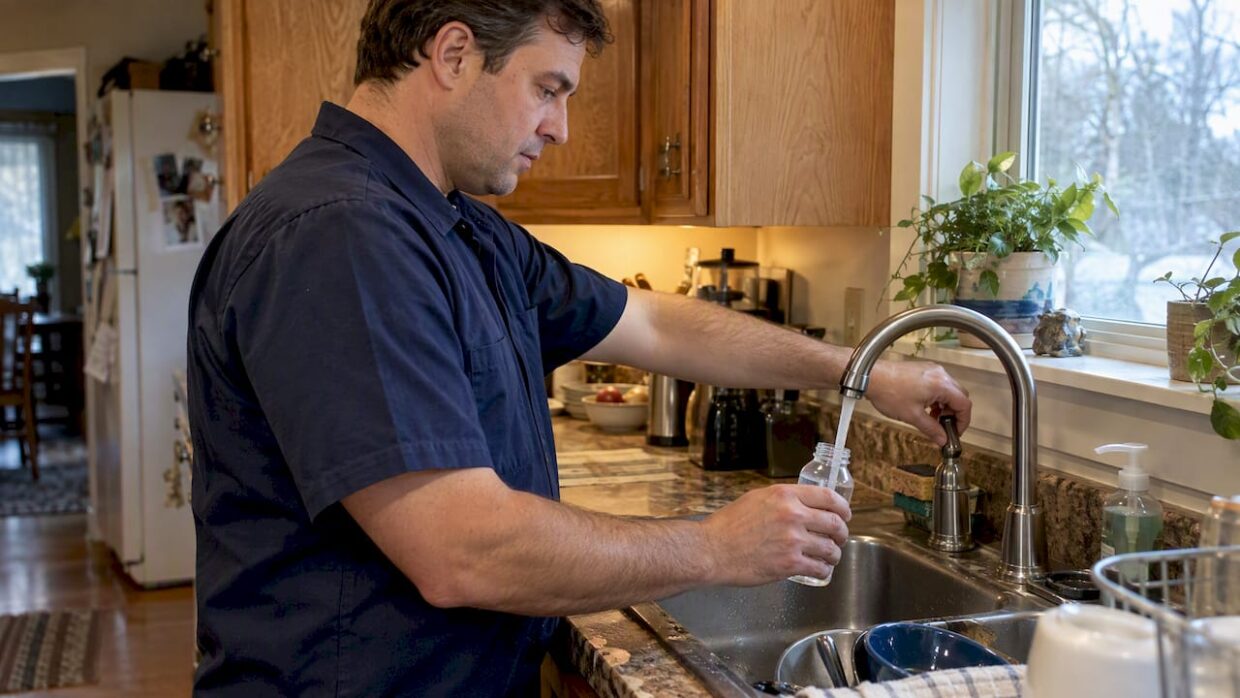
- Collect a flushed sample after running the tap for several minutes, not a first-draw sample, unless your lab instructs otherwise.
- Test bacteria annually and the broader mineral panel every three to five years, per NHDES testing guidance for private wells.
- Retest after installing any treatment system to confirm it is actually working.
Pro Tip: Bring a printed checklist of analytes to your lab or contractor visit so nothing gets left off the order form.
Treatment options that actually protect Southern NH appliances
Once your results are in hand, the right treatment usually falls into one of a few categories, and matching the technology to your actual water chemistry matters more than picking the most popular option.
- Oxidation-filtration media such as Birm, Greensand, or Filox is generally the preferred fix for iron and manganese, and it avoids the brine discharge that comes with salt-based softeners.
- Cation-exchange softeners work well when hardness alone tests above 150 mg/L, but they can be inefficient and prone to fouling when iron or manganese is also present.
- Demand-based or non-salt systems reduce the environmental and septic impact of regeneration cycles compared to older timer-based softeners.
- Sediment pre-filters, inlet screens, and point-of-use protectors add a low-cost layer of defense directly in front of dishwashers and washers.
Installation costs for a single filtration step generally run $1,500 to $3,000, according to NHDES guidance on iron and manganese treatment. Ongoing maintenance for any of these systems includes periodic media replacement, brine tank refills where applicable, and retesting every few years. For a deeper look at how hardness specifically damages fixtures and appliances in this region, see our guide to hard water damage in Southern New Hampshire.
Pro Tip: Ask any contractor to test your treated water output, not just the raw well water, before calling the installation complete.
Everyday maintenance that slows the damage right now
You do not have to wait for lab results to start protecting your machines. A few habits, borrowed in part from general home plumbing maintenance guidance, reduce strain while you plan longer-term treatment.
- Run a manufacturer-approved descaler through both appliances every one to three months, depending on your water hardness.
- Clean inlet screens and inspect supply hoses for mineral crust or cracking every few months.
- Clear dishwasher filters and washer lint or drain traps on a regular schedule.
- If an appliance is already past 10 years old and showing repeated mineral-related failures, replacing it with a more water-efficient model is often the more practical long-term fix.
What we see in Southern NH homes
Across Southern New Hampshire wells, we repeatedly find the same pattern: scaled heating elements, clogged inlet valves, and pumps worn down by iron sediment. Most of these repairs trace back to untested water. Testing first, then treating for what the results actually show, consistently saves homeowners from guessing their way through repeated appliance failures.
— Rich
Protecting your appliances with Another Cycle Appliance Repair
Once you know what is in your water, we can help you act on it. As a family-owned business with nearly 20 years of experience across Southern New Hampshire, we offer dishwasher repair and washing machine repair, every job backed by transparent pricing and a one-year warranty on parts and labor. For ongoing protection, our Platinum Appliance Care plan ($549 one-off) builds mineral-related checkups into a regular maintenance routine. If your dishwasher or washer is already showing signs of mineral wear, schedule a visit and we will help you figure out what is actually going on.

FAQ
How much water do older dishwashers use?
Older dishwashers can use up to several gallons more per cycle than current models, which means more water carrying minerals through the same internal components. Checking your appliance’s age and cycle water use is a useful first step before assuming water quality alone is to blame.
What is the average lifespan of a dishwasher?
Lifespan varies by brand, usage, and water quality, and mineral-heavy well water tends to shorten it compared to treated municipal supplies. Appliances showing noticeable scale-related increases in energy use before failure, as noted in dishwasher water-use research, often need heating element or pump repairs well before a typical replacement timeline.
Should there be any water left in the dishwasher?
A small amount of water pooled near the drain at the bottom of the tub is normal and helps seal the drain pump. Standing water elsewhere in the tub, or water remaining after a full cycle, usually points to a clogged filter, valve, or drain line, which well-water sediment can worsen over time.
Why is my brand new dishwasher wet inside?
Some residual moisture after a cycle is normal, especially without a heated dry setting, and is not a defect. If a new dishwasher shows excess pooling or visible residue right away, it is worth testing your water early, since mineral content can affect even a new unit’s drying and rinsing performance.
Sources
- Iron and/or Manganese in Drinking Water (New London / NHDES technical note)
- Water testing guidance for New Hampshire private well users (NHDES)